Chimney and fireplace repair in Tulsa
Water, animals and heat damage shorten the life of a chimney. We tell you how urgent each problem is, give you the options and only do the work you approve.
Chimney and fireplace
Bring your fireplace back to life
When an inspection turns up a problem, you should hear about it in plain English. We explain what is wrong, how soon it needs attention and what the repair involves. Then you decide. We do not start work you did not approve.
You approve first
We explain the problem and the options before any work starts.
Urgent or can wait
We tell you which problems need attention now.
Every part of the chimney
Cap, crown, liner, masonry, flashing, smoke chamber, damper and firebox.
Tulsa and nearby towns
Broken Arrow, Owasso, Catoosa, Glenpool, Coweta and more.
Repairs we handle
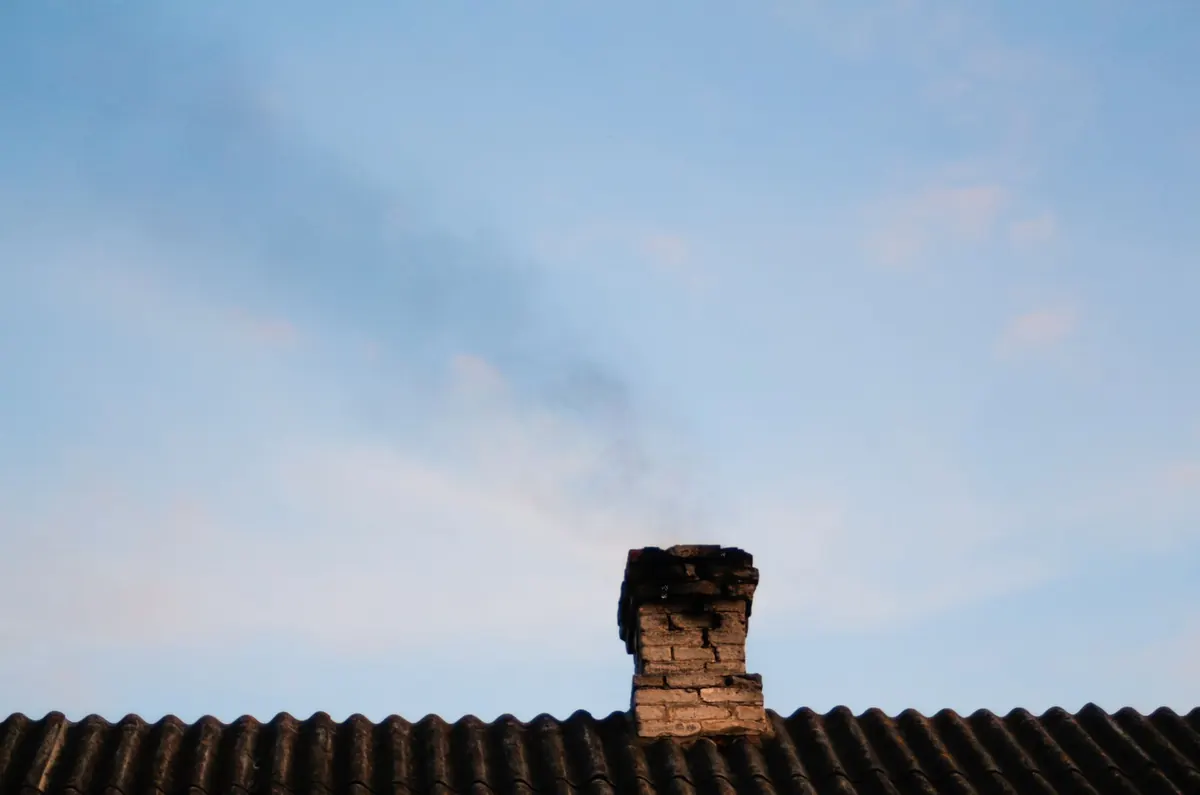
Most chimney damage starts small and grows when water gets in.
Water is the main enemy of a chimney. It gets in through a cracked crown, a missing cap, worn mortar or a failed flashing seal, then freezes and thaws and makes the damage bigger. Oklahoma storms and temperature swings make that cycle common. Fixing a small problem early costs less than fixing a big one later.
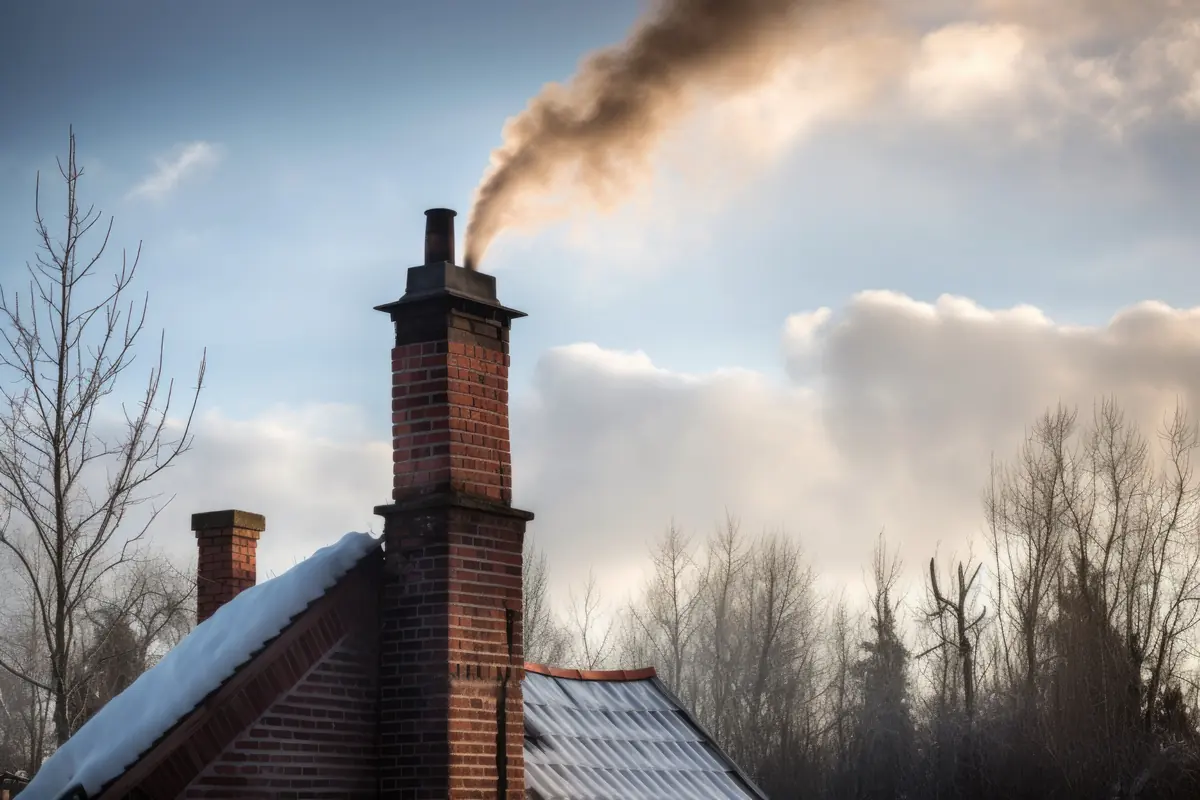
Freezing nights widen every crack water finds.
Chimney cap installation
The simplest way to protect a chimney.
A chimney cap sits on top of the flue. It is a small part, but it does a big job. It sheds rain, keeps birds and squirrels from nesting above the damper, stops leaves from piling up, and its screen keeps embers from landing on the roof.
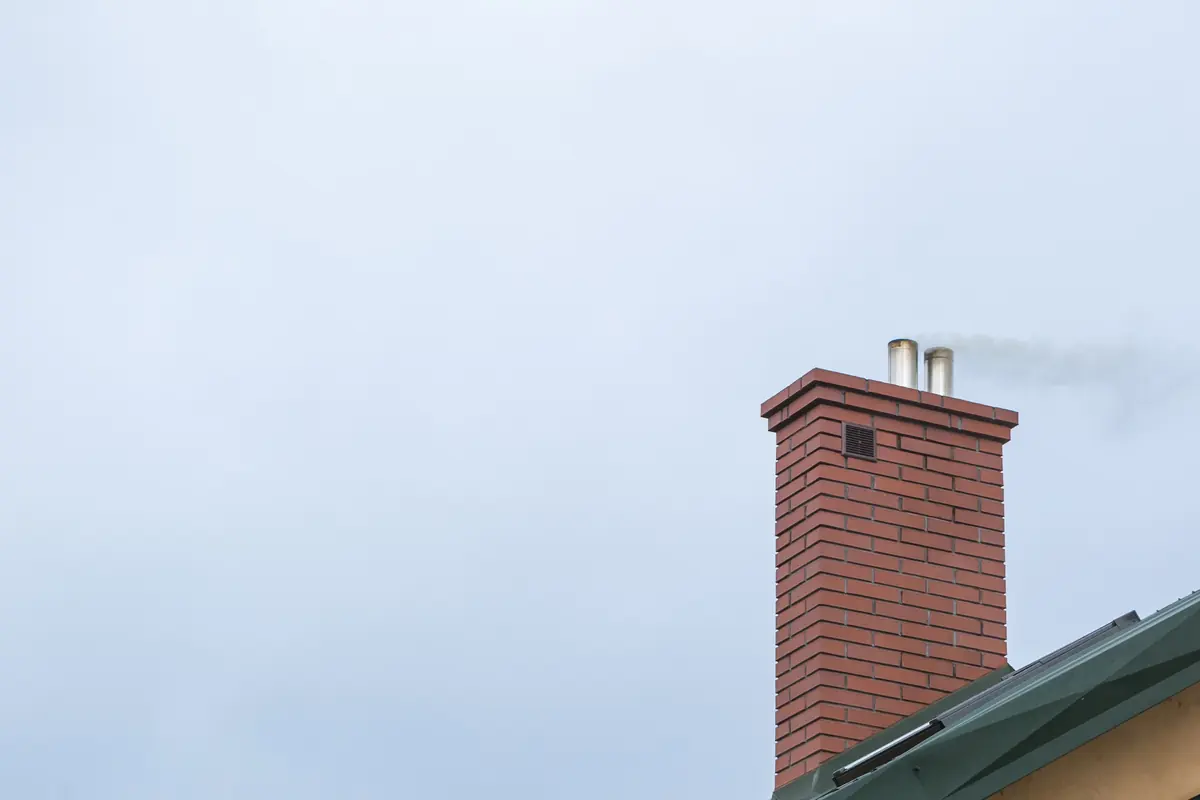
A metal cap over the flue sheds rain and keeps animals out.
For the signs to look for, how we do the work and common questions, see our chimney cap installation page.
Chimney crown repair
Small cracks, big leaks.
The crown is the slab of concrete or mortar on top of a masonry chimney. Its job is to shed water away from the brick. When it cracks, water gets into the masonry, and every freeze makes the crack bigger. A crown repair stops that cycle early.
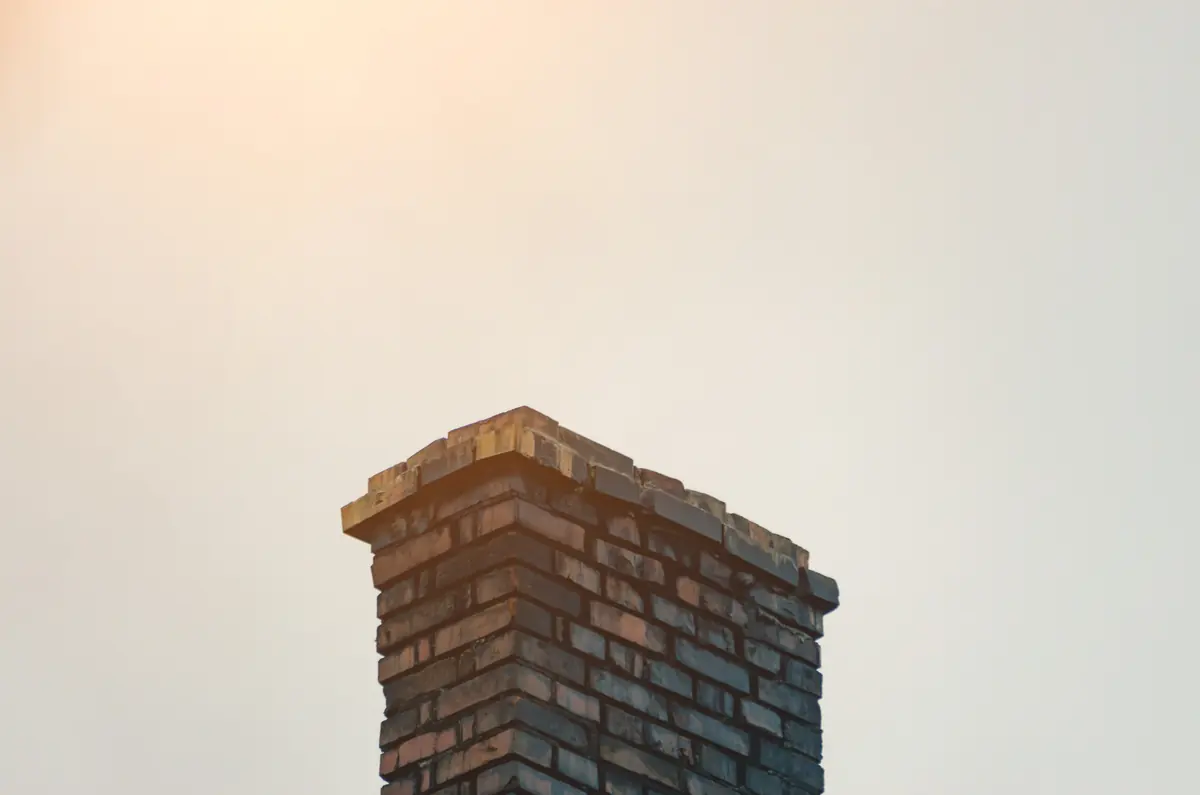
The crown is the top of the chimney, the first part rain hits.
For the signs to look for, how we do the work and common questions, see our chimney crown repair page.
Flue liner repair and relining
The part of the chimney you never see.
The liner runs up the inside of the chimney and carries smoke, heat and gases out of the house. You cannot see it from the room or the roof, which is why liner damage often goes unnoticed. An inspection finds it. Relining restores the protection.
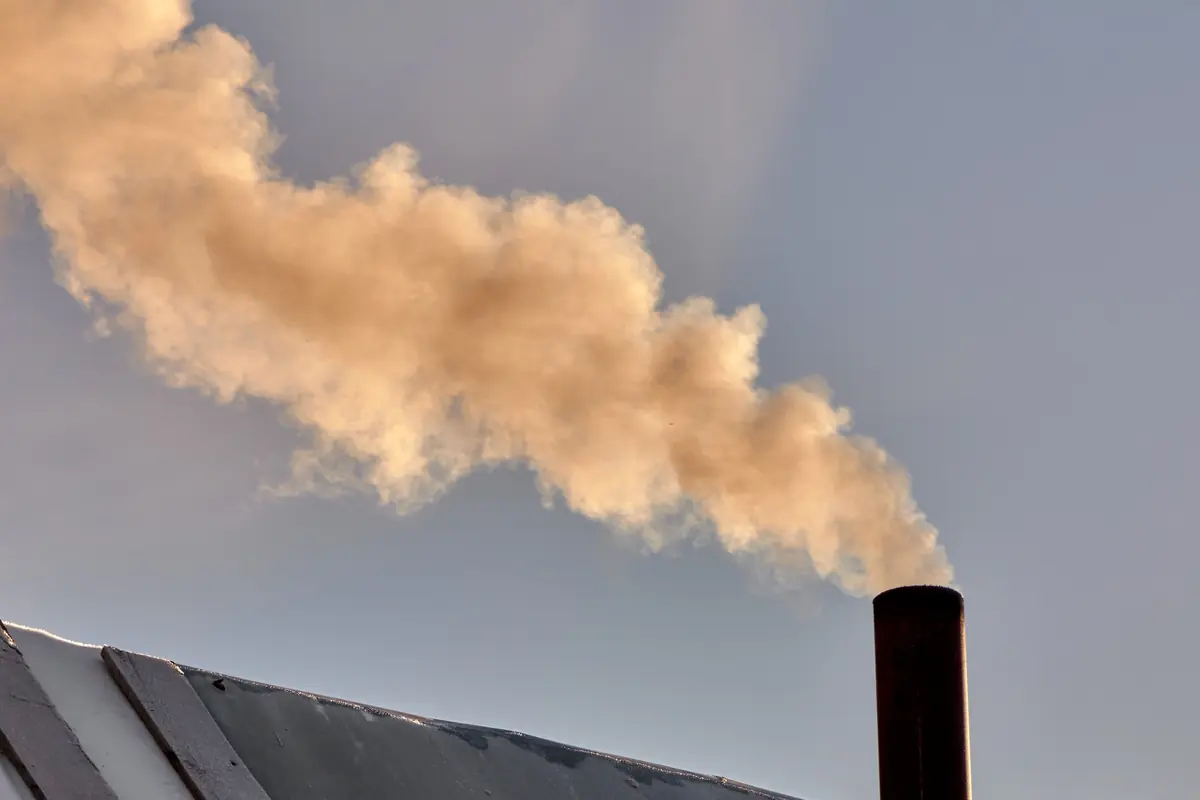
The liner carries smoke and heat up and out of the house.
For the signs to look for, how we do the work and common questions, see our flue liner repair and relining page.
Masonry and flashing repair
Brick is strong until water gets in.
A brick chimney is built to last, but it stands in every storm. Water that soaks into the brick and mortar freezes, expands and breaks the masonry apart from the inside. Where the chimney meets the roof, the flashing has to keep water out of the joint. Masonry and flashing repair fixes the damage and closes the paths the water used.
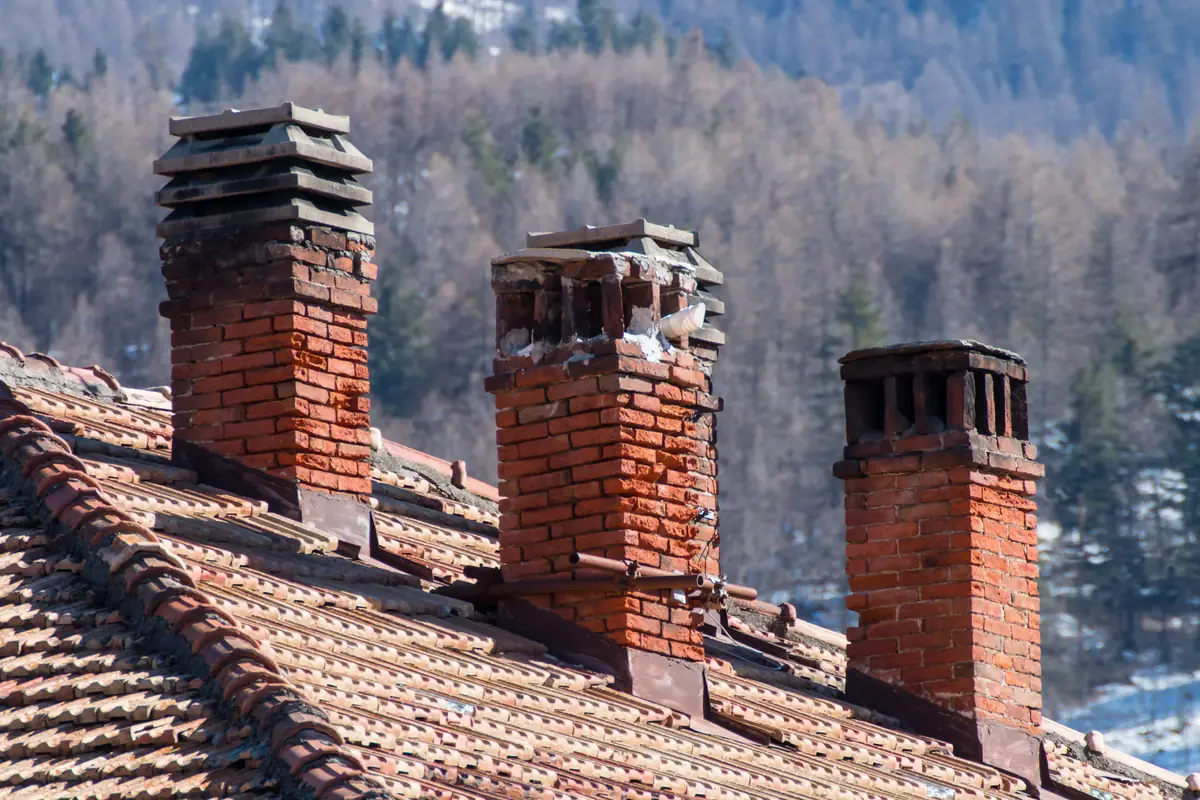
Brick chimneys weather at different rates, so each one gets its own look.
For the signs to look for, how we do the work and common questions, see our masonry and flashing repair page.
Tuckpointing
Fresh mortar, sealed joints.
Mortar wears out faster than brick. When the joints crumble, water gets into the chimney and the damage speeds up. Tuckpointing removes the worn mortar and replaces it with fresh mortar, so the joints seal again and the chimney stays strong.
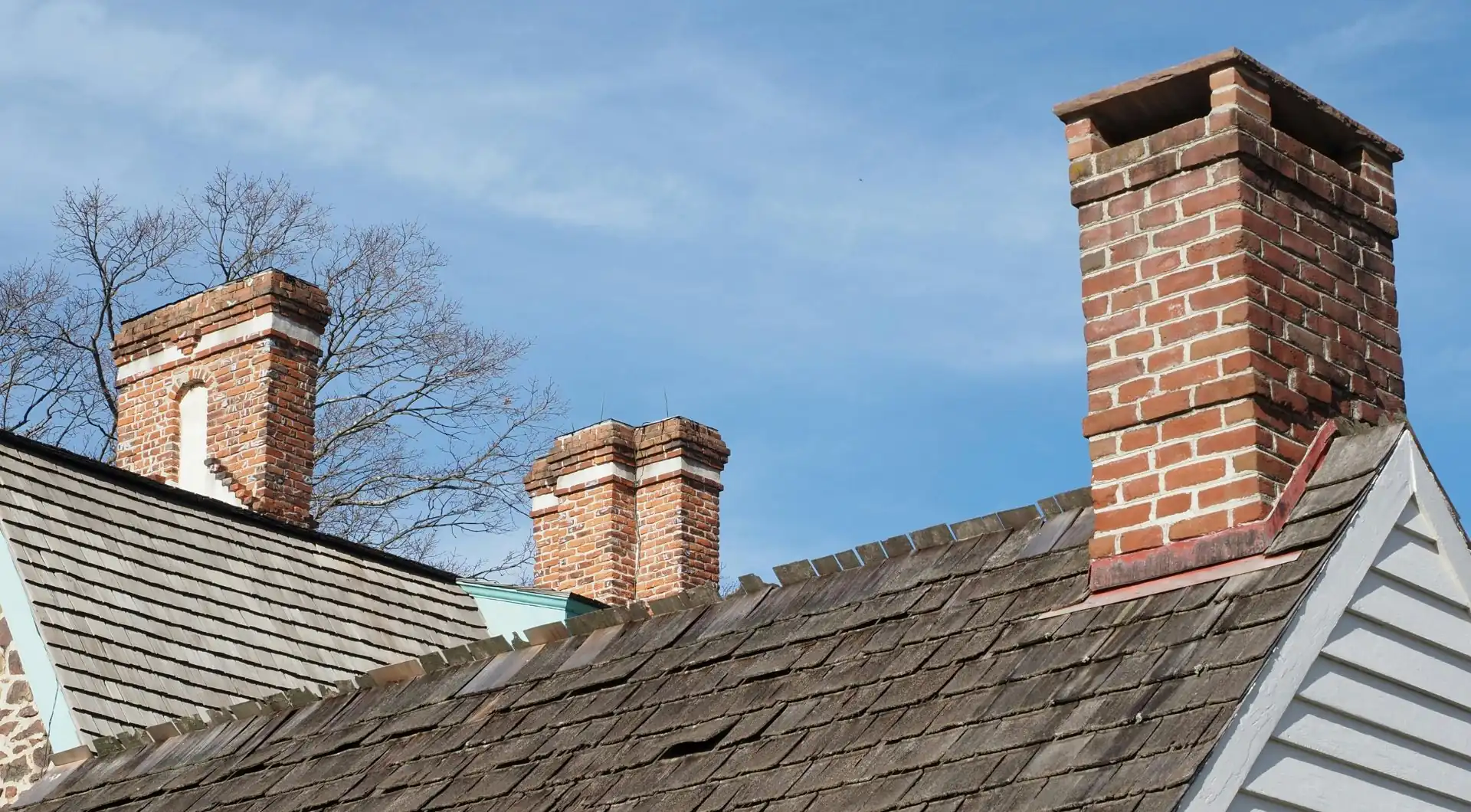
Mortar joints wear out before the brick does.
Signs to look for
- Mortar that crumbles when you touch it
- Joints that look recessed or hollow behind the brick face
- Gaps you can see light or daylight through
- Sand or bits of mortar at the base of the chimney
- Water stains near the fireplace after rain
We start by looking at the whole chimney and showing you which joints need work. Some chimneys need a few areas done, and some need the whole surface. We explain which yours needs, and you approve the work before we start.
Smoke chamber repair
A smoother path for the smoke.
The smoke chamber is the sloped space above the damper where the fireplace narrows into the flue. In many masonry chimneys it was left rough, with stepped brick. Parging coats it smooth. A smoother chamber helps smoke move up cleanly and leaves fewer ledges for soot and creosote.

The smoke chamber sits above the firebox, out of sight.
For the signs to look for, how we do the work and common questions, see our smoke chamber repair page.
Chimney rebuild
When a patch will not hold.
Most chimney damage can be repaired. But when brick is crumbling through, the chimney is leaning, or the firebox walls are cracked and loose, patching only buys time. A rebuild replaces the damaged section so the chimney or fireplace is sound again.
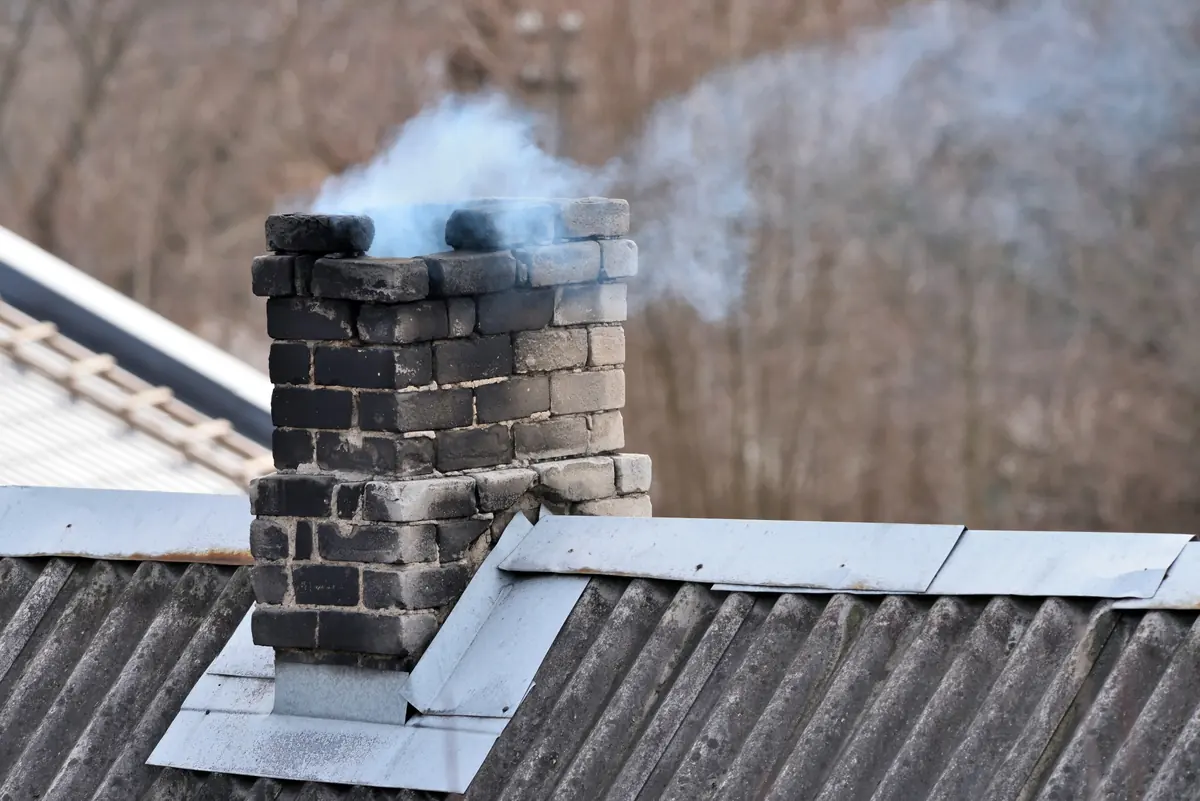
When masonry is too far gone to patch, a rebuild is the lasting fix.
Signs to look for
- Cracked or broken bricks inside the fireplace
- Mortar missing from the joints
- Loose bricks you can move by hand
- Gaps at the back or sides of the firebox
We do not jump to a rebuild. If masonry repair or tuckpointing will fix the problem, we say so. When a rebuild is the right call, we explain why, what it involves and what it costs. You decide.
Damper repair and replacement
A door that should close tight.
The damper is the metal door you open for a fire and close when the fireplace is cold. When it rusts, warps or sticks, heated air leaves the house, cold air and rain come in, and smoke can roll into the room. Damper repair or replacement gets that door working again.

A damper that seals keeps the warm air in the room.
For the signs to look for, how we do the work and common questions, see our damper repair and replacement page.
Firebox repair
Where the fire meets the house.
The firebox is the part of the fireplace where the fire burns. In a masonry fireplace it is lined with firebrick set in heat-resistant mortar. In a factory-built fireplace it is lined with refractory panels. Every fire puts heat on those surfaces, and over the years they crack, wear and come loose. A sound firebox keeps that heat away from the walls and framing around it.

The firebox takes the heat of every fire you build.
For the signs to look for, how we do the work and common questions, see our firebox repair page.
How a repair works
We start with a look at the problem, usually during an inspection. We explain what we found and how urgent it is. Then we give you the options and the cost, and you tell us which repairs to do. We do those and nothing else.
When the work is done, we clean up and show you what changed.
★★★★★Completed all the recommended repairs I approved in a very timely manner.
Lucas Lingelbach, customer review
Repairs are quoted after an inspection. If your chimney also has buildup, we can clean it on the same visit. See chimney and fireplace cleaning.
Repairs for Tulsa-area homes
Older Tulsa brick chimneys often need mortar and crown work. Newer homes in Broken Arrow, Bixby, Owasso and Jenks more often need cap and flashing attention. Whatever you have, call (918) 361-4929 and describe it. We will tell you what to expect before we come out.
On this page
Ready to book?
Request an appointment and we will confirm your time window.
What to expect
From inspection to finished repair
1
We look closely
We inspect the problem and the parts around it.
2
We explain it
You hear what we found, how urgent it is and what your options are.
3
You approve the work
We only do the repairs you choose.
4
We repair and clean up
The work gets done and the area is left clean.
Signs you need a repair
Six signs your chimney needs work
Spot any of these? Call and we will take a look.
Cracked or flaking brick
Spalling faces and loose bricks near the top.
Crumbling mortar
Joints that look hollow or wash out in the rain.
Rust on the cap
Or no cap at all, which lets rain and animals in.
Water stains inside
Near the fireplace or on the ceiling after rain.
A cracked crown
Pieces of mortar or concrete on the roof.
Damage in the firebox
Cracked brick or missing mortar where the fire burns.
Before we start
What to expect from a repair
Every repair follows the same honest process.
- We inspect the problem and the parts around it
- You hear how urgent it is and what can wait
- You get the options and the cost before any work
- We only do the work you approve
What is included
- Floor and hearth protection
- The repair you approved, nothing more
- Clean-up of the work area
- A walk-through of the finished work
Repair questions
Chimney repair FAQ
Another question? Call us and talk to a real person.
How do I know if my chimney needs a repair?
Cracks in the crown, rust on the cap, water stains by the fireplace and loose or missing mortar are common signs. An inspection tells you for sure and tells you how urgent each problem is.
Will you do repairs without asking me first?
No. We explain the problem, give you the options and do only the work you approve.
Do you handle both masonry chimneys and metal flue pipes?
Our repair work includes masonry repair, tuckpointing, parging, crown maintenance, cap installation and relining. Call us with a description of your chimney and we will tell you what to expect.
More from Ashes Away
Other services you may need
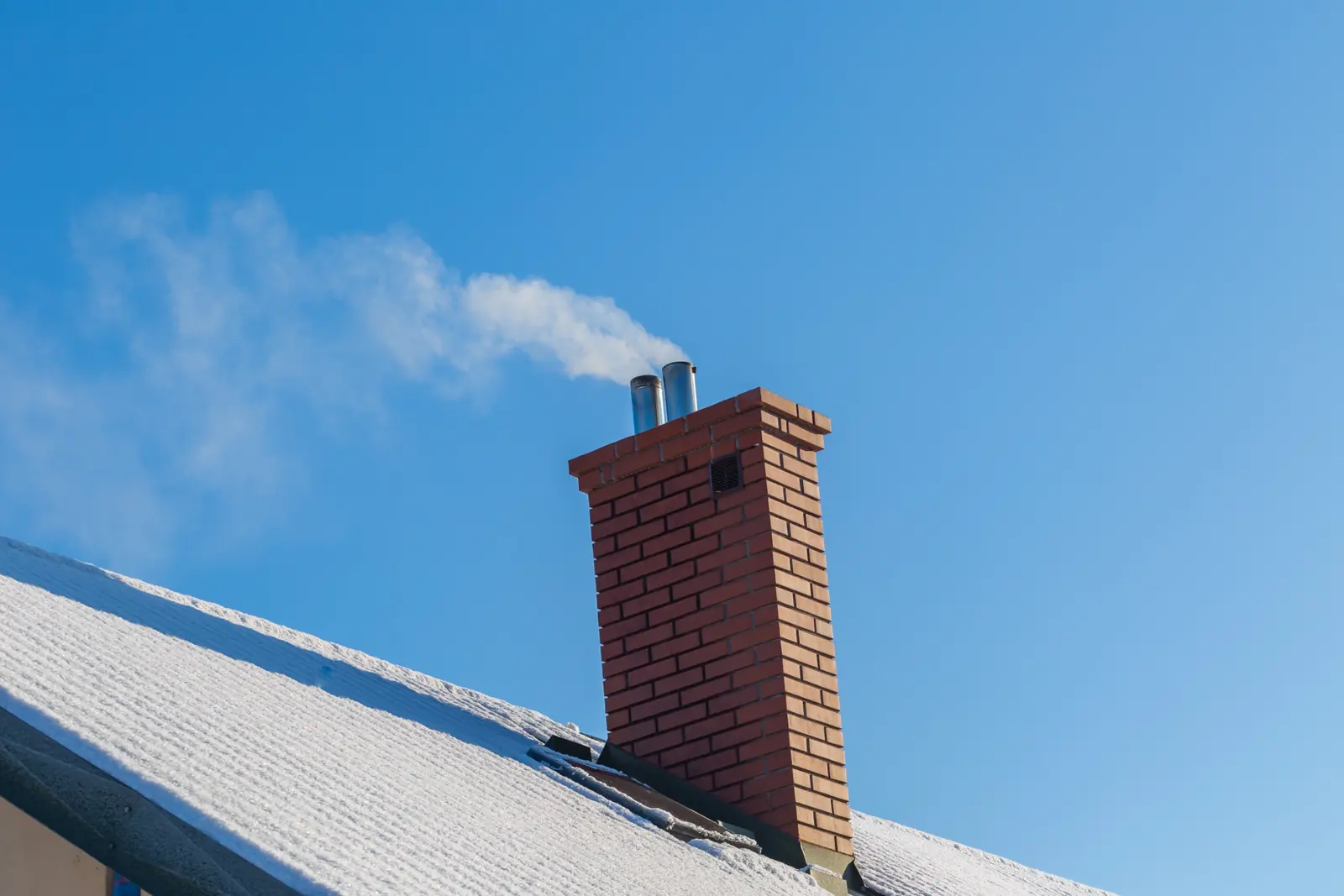
Chimney and fireplace cleaning
Removes creosote, soot and debris so smoke goes up the flue and not into the room.
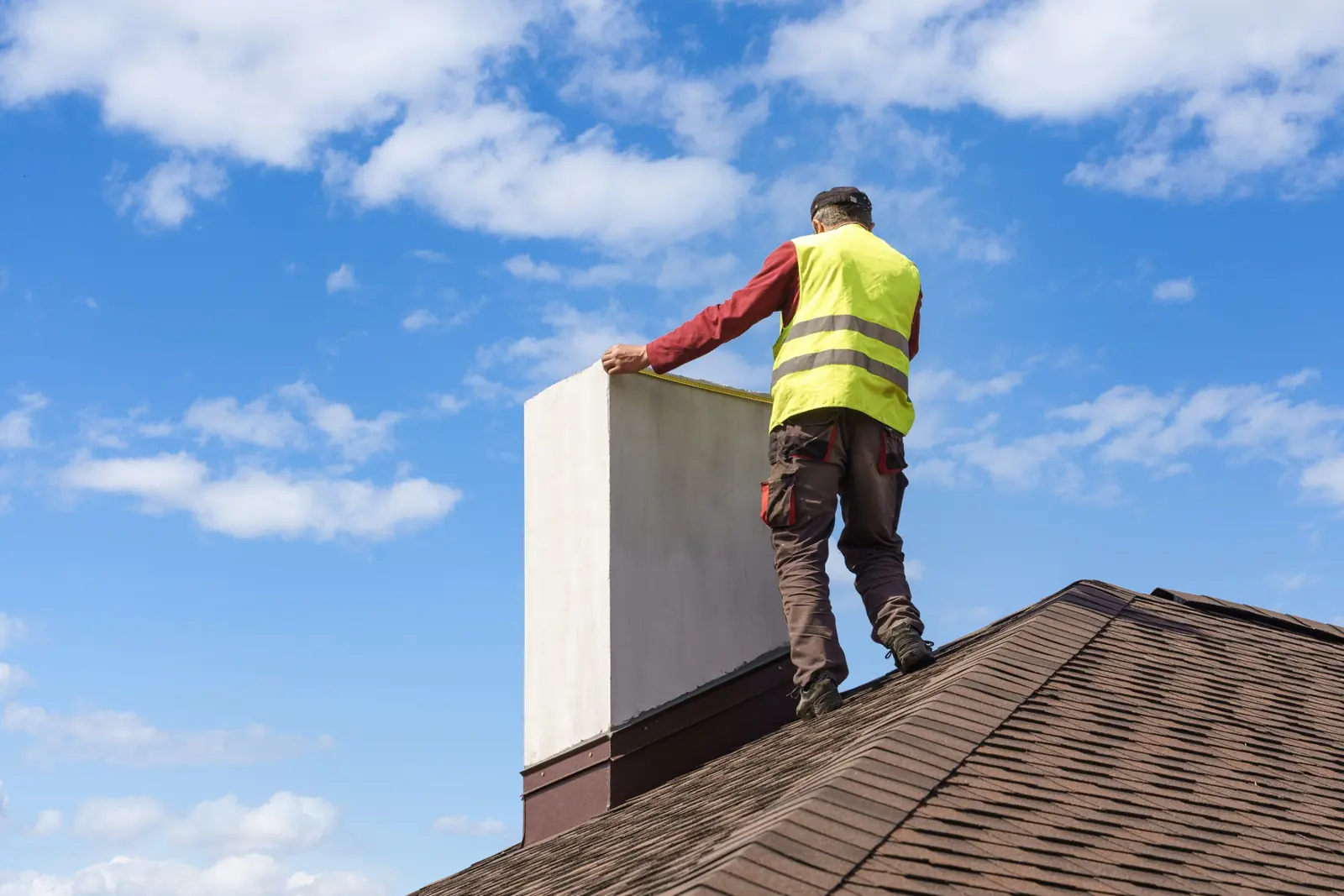
Chimney and fireplace inspection
A close look at the flue, damper, crown and firebox, explained without jargon.
Book your sweep
Ready for a safe, clean burn season?
Request an appointment and we will confirm your time window.